

Maslow’s Hierarchy of Needs Explained
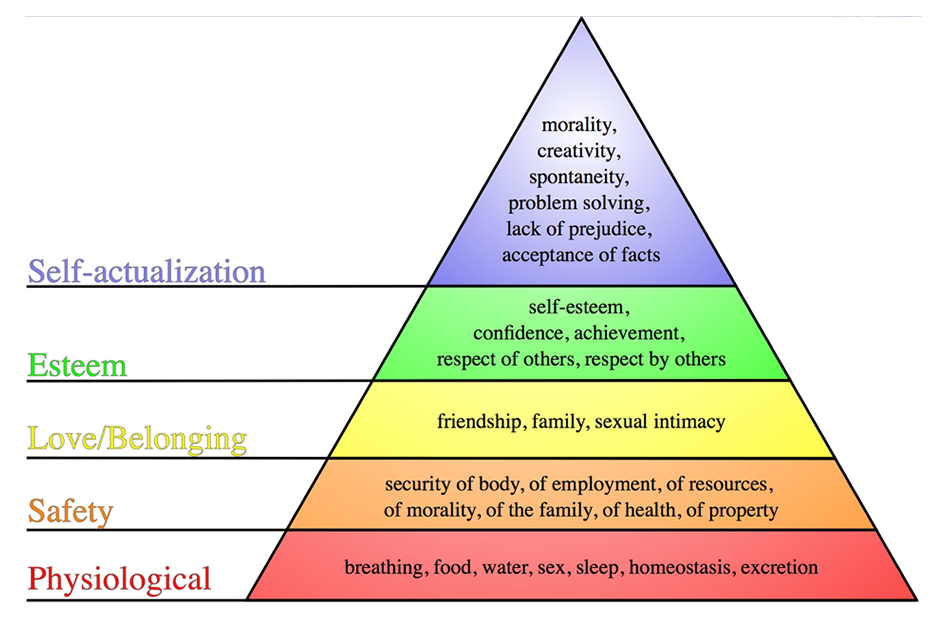
One of the most well-known theories of human motivation is Maslow’s Hierarchy of Needs, developed by psychologist Abraham Maslow.
The theory proposes that human motivation is organized into a hierarchy of needs.
People tend to focus on fulfilling basic needs before pursuing higher-level psychological needs.
Understanding this hierarchy provides valuable insight into human behavior, motivation and personal development.
The Five Levels of Needs
Maslow described five primary levels of human needs.
- Physiological Needs
These are the most basic survival needs.
Examples include:
- food
- water
- sleep
- shelter
When these needs are not satisfied, they dominate attention.
- Safety Needs
Once physiological needs are satisfied, individuals seek safety and stability.
Examples include:
- financial security
- safe working conditions
- health protection
In professional contexts job stability often relates to this level.
- Social Needs
Human beings are social creatures.
After safety needs are fulfilled, individuals seek belonging and connection.
Examples include:
- friendships
- family relationships
- team membership
Healthy work environments often satisfy these needs through collaboration and trust.
- Esteem Needs
Esteem needs involve recognition and respect.
These include:
- achievement
- professional status
- confidence
- recognition from others
Many career ambitions relate to this level.
- Self-Actualization
The highest level involves realizing personal potential.
Self-actualization includes:
- creativity
- personal growth
- meaningful work
- pursuing one’s purpose
At this stage individuals seek fulfillment beyond external rewards.
Maslow’s Model in Career Development
Maslow’s hierarchy explains why motivations change over time.
Early in a career individuals may focus on financial stability.
Later they may seek recognition, leadership or meaningful contribution.
Understanding this progression helps professionals evaluate whether their work aligns with their current motivations.
Conclusion
Maslow’s Hierarchy of Needs provides a useful framework for understanding human motivation.
By recognizing how needs evolve, individuals and organizations can better support personal development and meaningful work.






Add comment